+86-371-86151827
[email protected]

- +86-371-86151827
- High-tech Development Zone, Zhengzhou, China
- 08:30 am – 06:00 pm
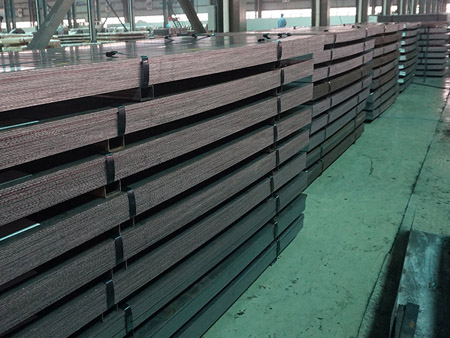
Every weathering steel grade sits on a foundation of standards. For S355J2WP, that foundation is EN 10025-5—the European specification for structural steels with improved atmospheric corrosion resistance. Here's what the standard actually requires, and w
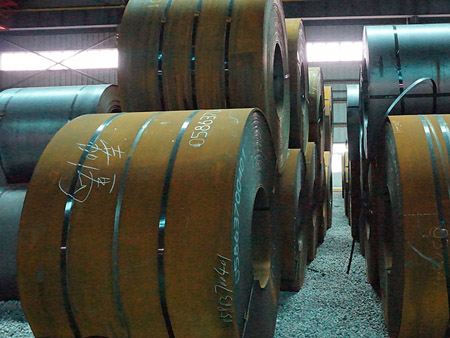
S355J2WP weather-resistant steel suits non-coastal, ventilated, drained structures above -20°C. Avoid salt spray, enclosed damp spaces, and safety-critical impact-rated applications.
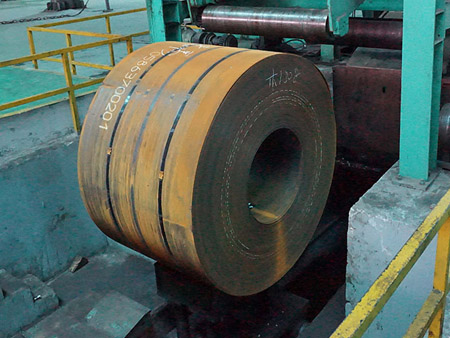
S355J2WP is the workhorse of Europe's weathering steel family. It's not the flashiest grade. It doesn't have the K2's strict impact limits or the G2's high-phosphorus patina boost. But it shows up on more project specs than almost any other weatherin
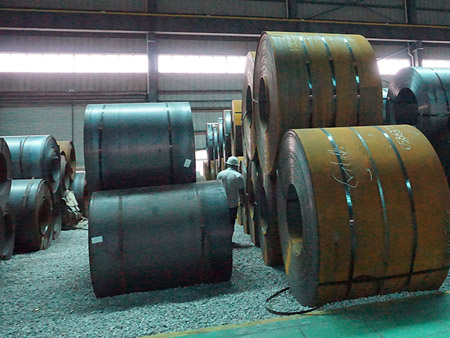
S355J2WP is part of Europe's weathering steel family under EN 10025-5. It's designed to resist atmospheric corrosion through a self-forming patina—just like its cousins S355K2G1W and S355K2G2W. But where does it sit in the lineup? Let's break it down.
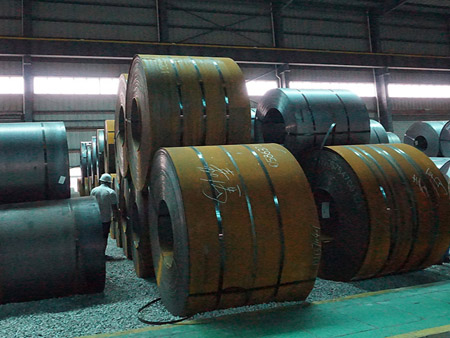
Containers and heavy structural parts take a beating. Constant abrasion. Salt air at ports. Mud, rain, and temperature swings. Most steels would beg for a paint booth every few years. S355K2G2W? It handles the abuse and asks for almost nothing in return.
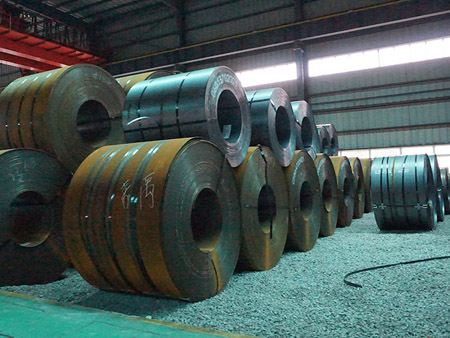
S355K2G2W takes a different approach. Instead of fighting rust with paint and constant recoating, it uses rust as its own shield. The steel contains copper, chromium, and nickel. When exposed to air and moisture, these elements help form a dense, dark pat
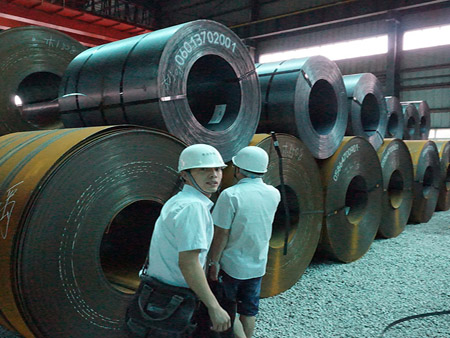
Railway cars live a rough life. Constant vibration, flying ballast, de-icing salts, and never-ending humidity. Paint chips. Once bare metal shows, rust spreads under the coating. That's why builders turn to S355K2G2W.
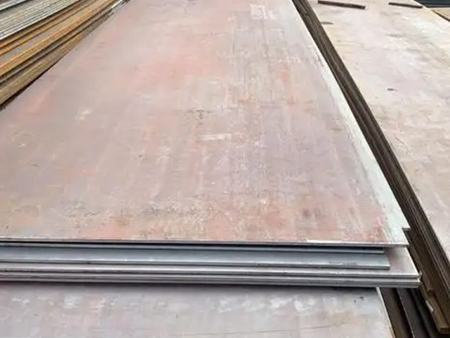
A bridge is a long-term commitment. Paint it, and you're repainting every 10 to 15 years. Use ordinary steel without paint, and you're watching it corrode. Use S355K2G1W, and you get a structure that protects itself—even through freezing winters.
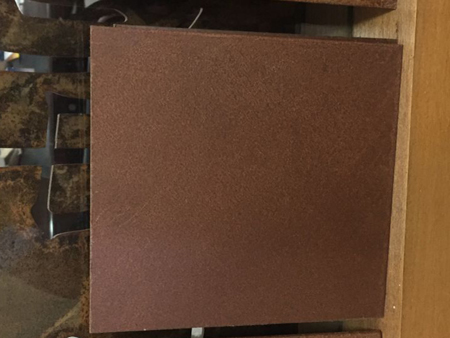
If you're working with an old specification or maintaining a legacy structure, you might encounter BS 4360 grade designations. The question comes up often: does this retired British standard have a direct match for modern EN 10025-5's S355K2G1W?
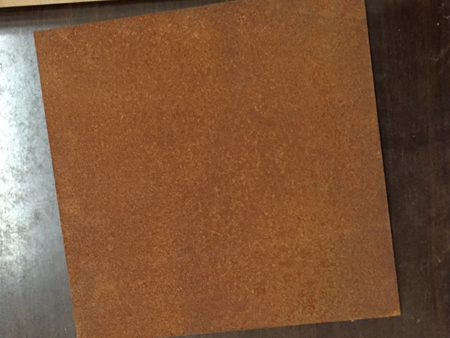
You're working on a project that accepts either European or Japanese weathering steel. The spec says S355K2G1W. Your Asian mill quotes JIS G3114 grades. Can you make the swap? Yes—but only if you understand where the standards align and where they part w