Corrosion Resistance and Maintenance Costs of S355K2G2W Weathering Steel
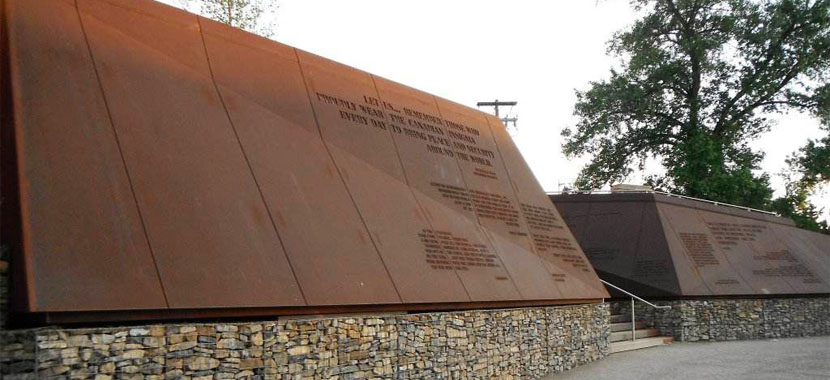
S355K2G2W takes a different approach. Instead of fighting rust with paint and constant recoating, it uses rust as its own shield. The steel contains copper, chromium, and nickel. When exposed to air and moisture, these elements help form a dense, dark patina that seals the surface. Once stable, corrosion slows to a near halt—typically less than 0.01mm per year.
Compare that to ordinary carbon steel. Without paint, it loses about 0.05–0.10mm annually in moderate atmospheres. With paint, you're repainting every 8 to 15 years. Each repaint means sandblasting, containment, labor, and downtime.
Now run the numbers over 30 years.
Painted carbon steel:
Initial painting + three repaints = significant recurring cost. Plus production interruptions during each repaint cycle.
S355K2G2W:
Higher upfront material cost. Zero painting. Occasional inspections. No repaint labor. No downtime for coating work.
Where does the break-even land? For most bridge and railcar applications, typically between year 8 and year 12. After that, the weathering steel keeps saving money while the painted structure keeps asking for more.
But there's a catch. S355K2G2W isn't maintenance-free. It's low-maintenance. You still need to:
Inspect every 2–3 years for trapped moisture or debris buildup
Clear leaves, soil, or bird nests from crevices
Check that drainage holes remain open
Watch for unusual red rust (sign of a design problem, not material failure)
What about aggressive environments? Near coastlines or with persistent salt spray, the patina struggles. In those cases, either upgrade to a higher-spec weathering grade or accept that painted steel may be the right answer. S355K2G2W shines in inland, rural, and light-industrial settings—not on beachfront property.