Typical Applications of S355K2G1W Weathering Steel Plate in Bridge Steel Structures
A bridge is a long-term commitment. Paint it, and you're repainting every 10 to 15 years. Use ordinary steel without paint, and you're watching it corrode. Use S355K2G1W, and you get a structure that protects itself—even through freezing winters. Here's where it's actually being used.
Road bridge girders and box sections
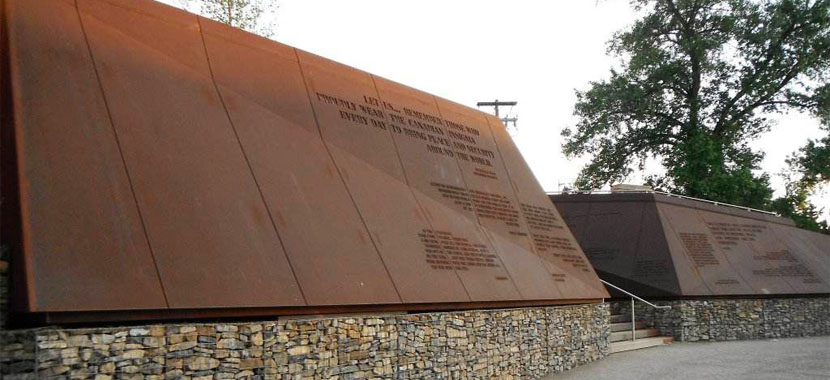
Across Central and Northern Europe, medium-span road bridges (20 to 50 meters) increasingly specify S355K2G1W for main girders and cross-bracing. Why? The -20°C impact toughness matters when winter temperatures drop and de-icing salts spray onto exposed steel. Several bridges along the German A7 motorway corridor use S355K2G1W for parapets and underslung gantries. The steel develops its dark brown patina within two years and requires no further coating.
Railway bridges and footbridges
Rail networks don't shut down for painting. Network Rail in the UK has used S355K2G1W (and its predecessor grades) for footbridge structures where maintenance access is difficult. One example: a pedestrian crossing over an active freight line near Doncaster. The steel was specified at 10mm and 15mm thicknesses, welded with low-hydrogen procedures, and left bare. After 8 years, inspections showed negligible section loss.
Access ramps and approach spans
The Millau Viaduct's access structures in southern France include sections of weathering steel, with S355K2G1W specified for elements exposed to both vehicle exhaust and winter freeze-thaw. The material handles the corrosive mix while eliminating the need for future repainting in hard-to-reach areas.
Cold-climate bridge details that matter
Engineers who successfully apply S355K2G1W pay attention to three things:
Drainage. No water traps. All horizontal surfaces get slight slopes. Weep holes are drilled where needed.
Ventilation. The patina requires wet-dry cycling. Enclosed box girders with no airflow cause persistent dampness and poor patina formation.
Connection details. Dissimilar metals (copper, galvanized steel, ordinary carbon) are isolated to prevent galvanic corrosion. Bolts and fasteners match the weathering specification.
What about coastal bridges?
Careful. S355K2G1W works fine in inland and light-industrial environments. Near salt water (within 2 km of a coastline), the chloride concentration can overwhelm the patina. In those cases, either use a more resistant grade like S355K2G2W (higher phosphorus) or accept a painted system.
A maintenance reality check
"Maintenance-free" isn't quite accurate. The steel doesn't need painting, but it still needs inspection. Every two to three years, check for:
Crevice corrosion in lapped joints (red rust running)
Debris accumulation (leaves, soil, bird nests) that traps moisture
Runoff staining on concrete supports (cosmetic only, but often a client concern)
The bottom line for bridge engineers
S355K2G1W delivers dependable performance for bridges in cold, inland, or light-industrial settings. It eliminates painting cycles. It handles -20°C impacts. It welds reliably with standard low-hydrogen practices. And after two to three years, it looks like a bridge that belongs in its environment—not a battleship needing fresh paint.