Why S355K2G2W Weathering Steel Resists Corrosion Better Than Carbon Steel
Ordinary carbon steel (like S235JR or S355JR) rusts openly. The rust layer is porous and flaky. Moisture and oxygen move through the pores, attack fresh metal underneath, and the corrosion never stops. Without paint, carbon steel loses 0.05–0.10mm per year in moderate atmospheres.
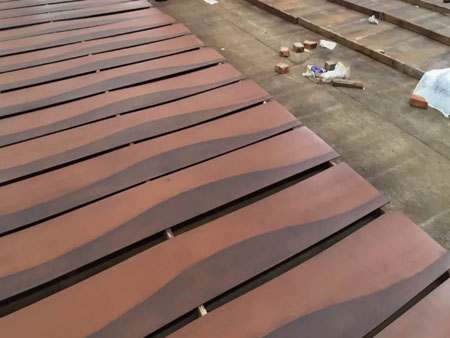
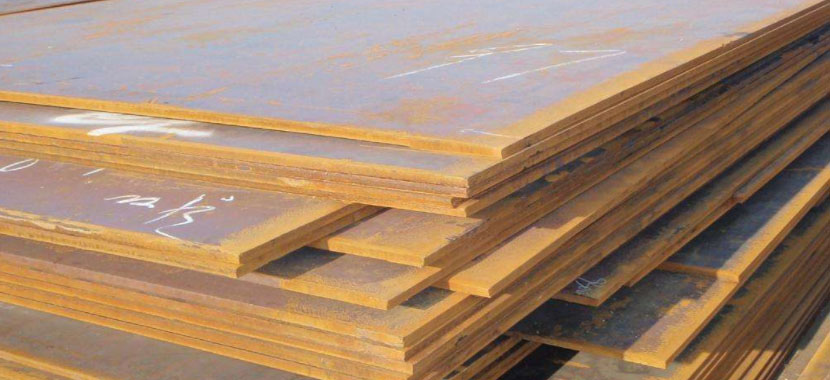
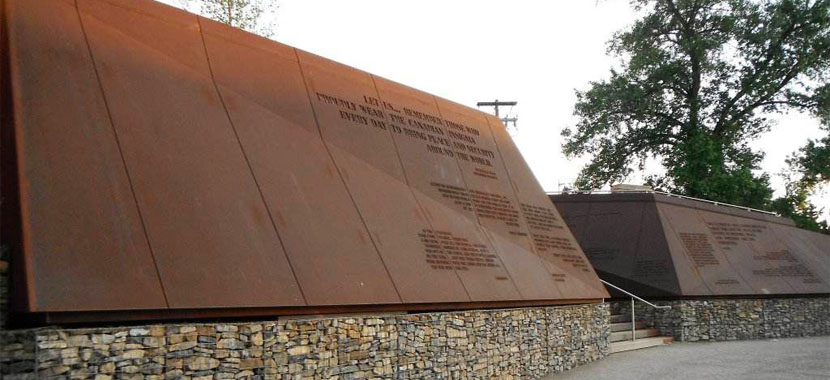
S355K2G2W rusts differently. The alloy contains copper (0.25–0.55%), chromium (0.40–0.80%), nickel (≤0.65%), and higher phosphorus (up to 0.12%). When exposed to wet-dry cycles, these elements alter the rust's structure. Instead of loose iron oxides, the steel forms a dense, fine-grained, and adherent patina. The patina compacts over time, pores shrink, and oxygen and moisture struggle to reach the metal surface.
Once stable (typically 1–3 years), the patina slows corrosion to under 0.01mm per year—about one-tenth the rate of unprotected carbon steel.
Two key differences:
Ordinary steel: Porous rust → continuous corrosion → paint required
S355K2G2W: Dense patina → self-protecting → no paint needed
One condition. The patina needs wet-dry cycling to form. Constant immersion, burial, or salt spray without drying prevents stabilization. In those conditions, S355K2G2W behaves like ordinary steel.
It's not that S355K2G2W doesn't rust. It's that it rusts in a way that stops further corrosion—saving maintenance costs and extending structural life.