+86-371-86151827
[email protected]

- +86-371-86151827
- High-tech Development Zone, Zhengzhou, China
- 08:30 am – 06:00 pm
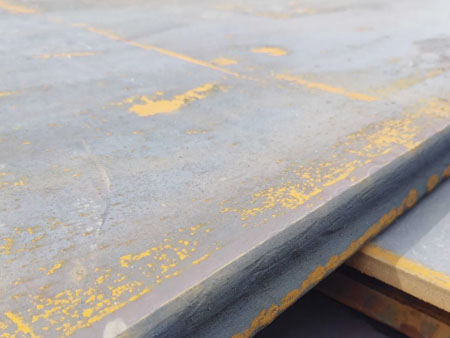
Weathering steel is never more vulnerable than in the weeks before erection. Plates stacked wet, wrapped in plastic, or shipped across several climate zones can arrive with pack rust, pitting and staining that no amount of weathering will erase later.
Pack rust is the expensive one.
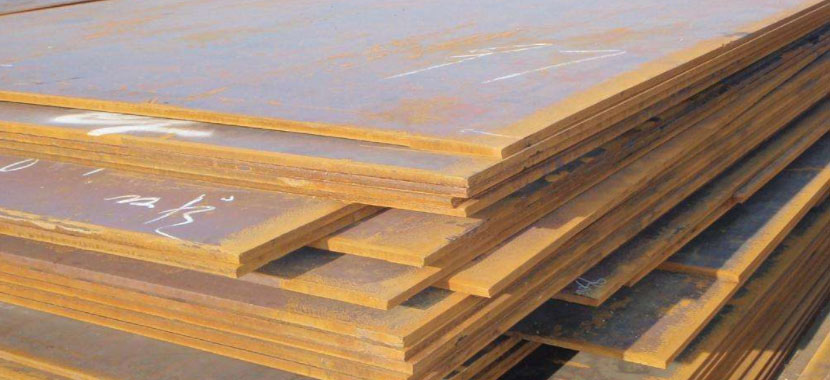
When two plate surfaces sit in tight contact with water and oxygen between them, a crevice cell forms. Corrosion inside that gap produces bulky oxide which pushes the plates apart and leaves a hard, thick scale. It hides pitting underneath, has to be ground out before fabrication or painting, and shows up most often where stacks sit outdoors for months, or where containers cross the equator with condensation cycling every day.
Storage that works.
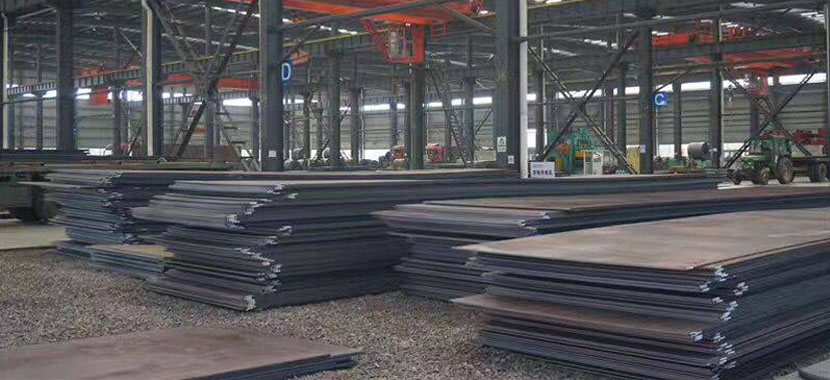
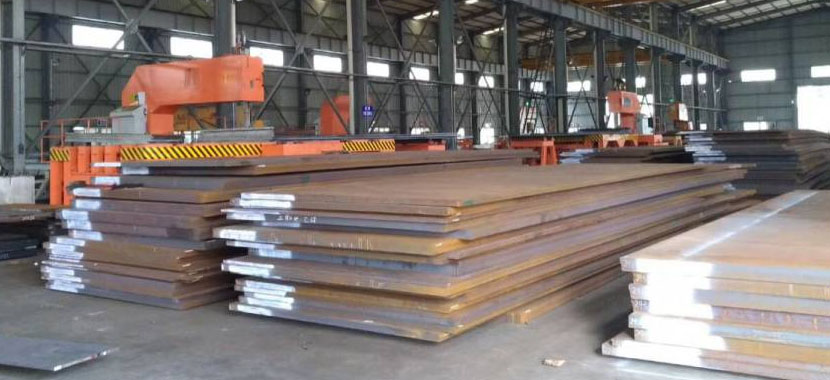
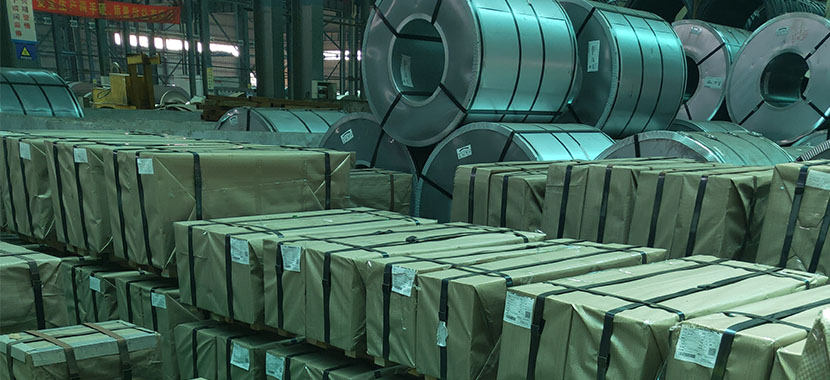
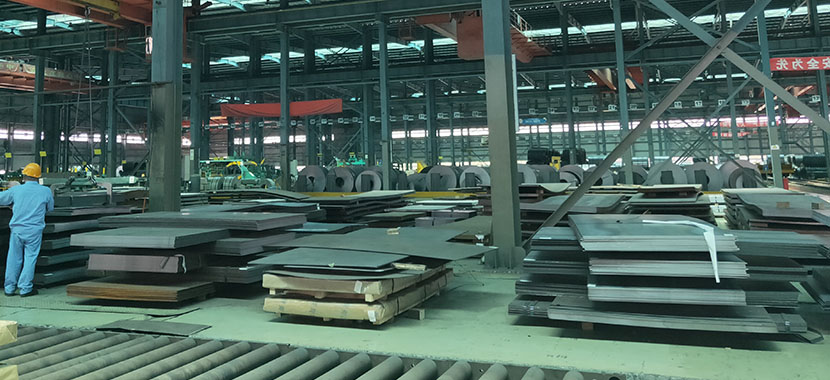
Keep plates off the ground on timber or steel dunnage with enough height for air to move underneath. Slope the stack so water runs off instead of pooling on the top plate. Separate layers with spacers when plates will sit for more than a few weeks. Never wrap weathering steel in non-breathing plastic outdoors: it traps condensation against the surface and produces exactly the uneven staining you are trying to avoid.
Ventilation matters more than shelter. A roof that keeps rain off but lets air through is ideal. A sealed tent or a damp shed is worse than open air.
Handling and contamination.
Lift with clamps, magnets or slings. Dragging plates across each other scratches the surface and packs debris into the marks. Keep oil, grease, paint and clay off the faces: they block patina formation in patches and show as permanent stains. If contamination happens, remove it before the plate goes outdoors, not after.
Shipping.
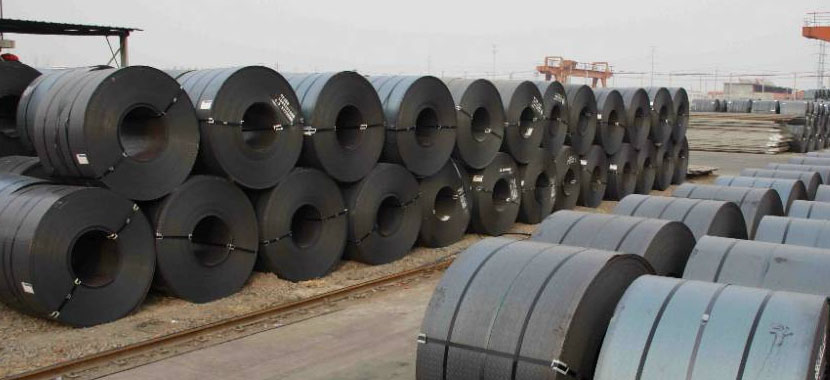
For sea freight, use dry containers with desiccant and avoid stowing plates flat against container walls where condensation runs. If plates are wetted by seawater, separate and fresh-water rinse them as soon as they are unloaded. Chloride left inside a stack keeps working long after the surface looks dry.
What is acceptable, and what is not.
Uniform light brown surface rust is normal and is the beginning of the patina. Do not wire-brush a whole plate to make it look clean; brushing removes the layer that is trying to form.
Investigate or reject: pack rust between plates, pitting, white or green deposits from chloride or copper salts, oil and grease, visible salt residue, and large areas of flaking mill scale sitting over active rust.
On arrival.
Break the stack, inspect both faces, separate anything stuck together, and let the plates dry before fabrication. Storage time is not the enemy. Trapped water is.
Hot ProductsMore+
If you have any need about our steel products, Please send email to [email protected] or leave a message to use this function. we will reply you ASAP!