+86-371-86151827
[email protected]

- +86-371-86151827
- High-tech Development Zone, Zhengzhou, China
- 08:30 am – 06:00 pm
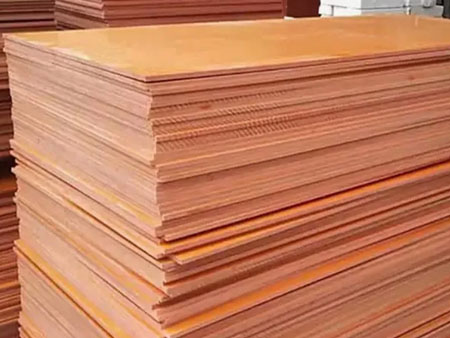
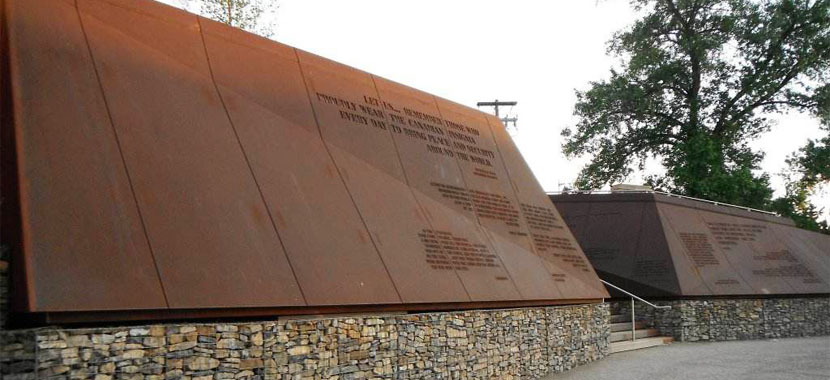
Road salt changes the rules for weathering steel. The patina forms through repeated wet and dry cycles in relatively clean air. Chloride interrupts that process, keeps iron in solution and prevents the oxide layer from sealing. In splash zones the corrosion rate can rise by an order of magnitude, which is enough to turn a hundred-year assumption into a twenty-five-year problem.
Where salt hits first.
Damage is not uniform. It concentrates in predictable places: the bottom flange and lower web within wheel-spray height, deck edges, the steel beneath leaking expansion joints, the area around drainage outlets, and any ledge where salty water ponds and then dries slowly. Structures shaded from sun and wind stay wet longer and suffer more.
What the standards actually promise.
EN 10025-5 guarantees atmospheric corrosion resistance; it says nothing about chloride. ISO 9223 classifies the site, not the steel: weathering steel performs as intended in C2 and C3, needs help in C4, and should not be left bare in C5 or in coastal chloride exposure. ASTM G101 gives a weathering index for alloy screening. All of these are tools for choosing and specifying, not a licence to skip protection in a salted environment.
Design measures that hold up.
Detailing comes first. Slope surfaces, provide drip edges, avoid water traps and unsealed joints, and keep steel out of standing water. Most cases described as weathering steel failure are really drainage failure.
Coat only what needs coating. The hybrid approach is common and cost effective: leave webs and upper areas bare, paint the splash zones and the regions under joints. Coating systems must be compatible with the substrate and maintainable from a platform.
Add a corrosion allowance in chloride zones. Rather than assume the patina stops metal loss, calculate loss for the actual corrosivity category, using ISO 9224 as guidance, and specify extra thickness where spray reaches.
Protect the joints. Maintain expansion joint seals. A leaking joint drips chloride onto the steel beneath it for decades, and no coating survives that indefinitely.
Keep the maintenance routine short but real.
Inspect after each salt season. Wash the lower zones in spring to remove chloride and dirt; a simple washdown does more for service life than a coating applied after the rust has already started. Clear debris from ledges where it holds moisture. Touch up damaged coatings before the next winter rather than after it.
What to write into the specification.
Name the corrosivity category for the site. State which zones stay bare, which are coated and with what system. Specify the corrosion allowance for splash zones. Define the inspection and washdown interval and who performs it. Left vague, the assumption defaults to no maintenance at all, and in a salted environment that assumption is always wrong.
Hot ProductsMore+
If you have any need about our steel products, Please send email to [email protected] or leave a message to use this function. we will reply you ASAP!