Carbon (C): ≤0.16% typically. Kept low to maintain weldability and impact toughness.
Silicon (Si): 0.15–0.50%. A deoxidizer and mild strengthening agent.
Manganese (Mn): 0.50–1.50%. Boosts strength without sacrificing ductility.
Phosphorus (P): ≤0.035% (often lower in practice). Here's a key difference from G2W—G1W keeps phosphorus tighter. This element helps atmospheric corrosion resistance but can reduce toughness if too high.
Sulfur (S): ≤0.030%. Kept low for better toughness and weldability.
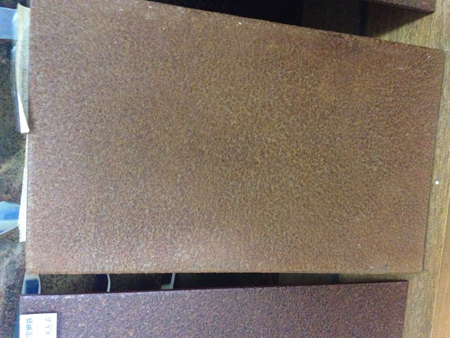
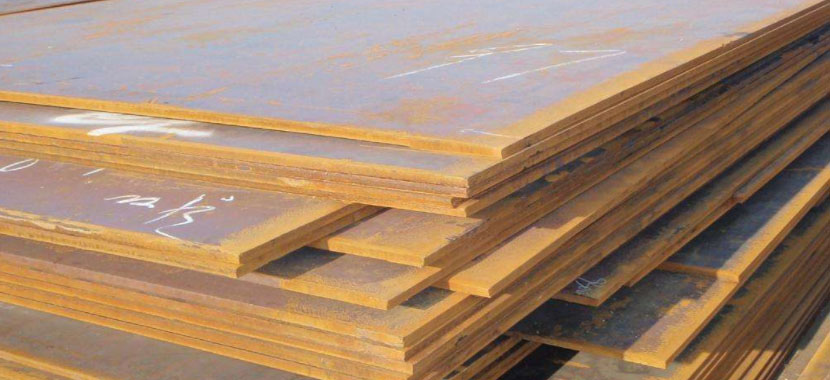
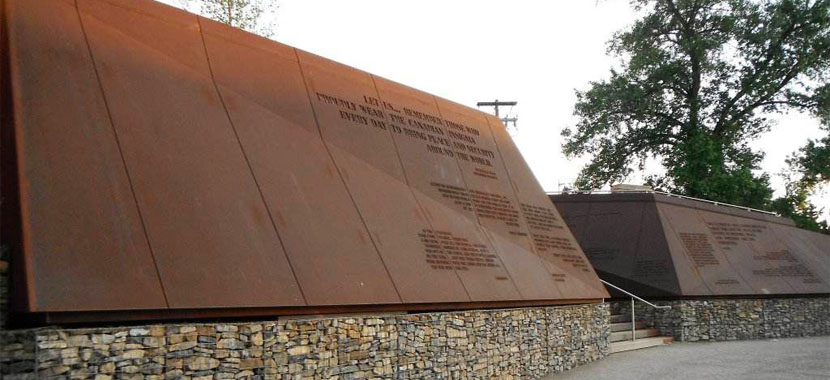
Copper (Cu): 0.25–0.55%. The backbone of weathering steel. Copper promotes the formation of that dense, protective patina layer.
Chromium (Cr): 0.40–0.80%. Adds oxidation resistance and helps the patina adhere.
Nickel (Ni): ≤0.65%. Improves toughness, especially at low temperatures. Also contributes to corrosion resistance.
So what's the real difference between G1W and G2W?
Primarily, phosphorus control. G2W allows a slightly higher phosphorus content—typically up to 0.12% for improved atmospheric corrosion resistance. G1W keeps it lower (standard ≤0.035%). That means G2W may form its patina slightly faster in aggressive environments. But G1W often offers better impact toughness and weldability for sensitive applications.
Why this matters for buyers. If your project faces mild atmospheric exposure and prioritizes consistent low-temperature impact performance, S355K2G1W is a solid choice. If the structure sits in an industrial or moderately corrosive environment where faster patina formation helps, G2W might edge ahead.