S355J2WP Weathering Steel vs Mild Carbon Steel
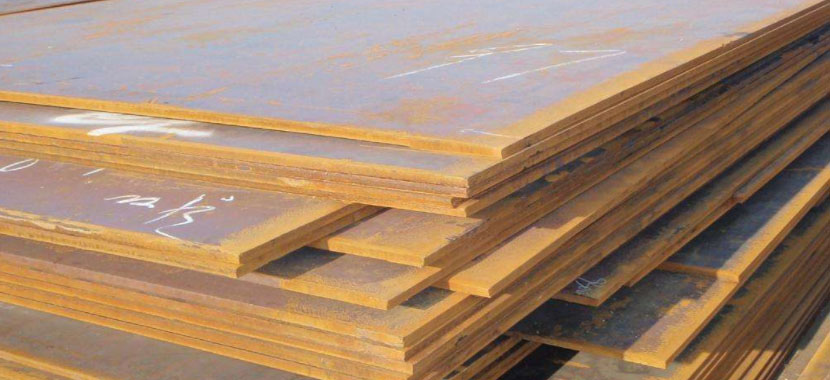
Walk into a steel yard and you might not tell them apart at first glance. But put S355J2WP next to ordinary carbon steel—say, S235JR or S355JR—and the differences run deeper than surface color. Here's what actually separates them.
Alloy chemistry.
Mild carbon steel is mostly iron with a little carbon (typically 0.15–0.22%) and manganese. No copper. No chromium. No nickel. No phosphorus enhancements. Just basic structural steel.
S355J2WP adds 0.25–0.55% copper, 0.40–0.80% chromium, up to 0.65% nickel, and controlled phosphorus. These aren't trace impurities—they're deliberate additions that change how the steel ages.
Rust behavior.
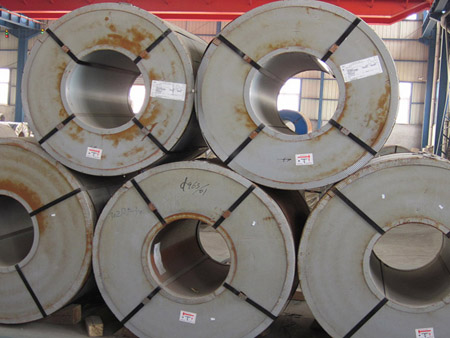
This is the big one. Mild carbon steel rusts openly. The red-brown layer is porous, flakes off, and exposes fresh metal underneath. It keeps going until the section is gone.
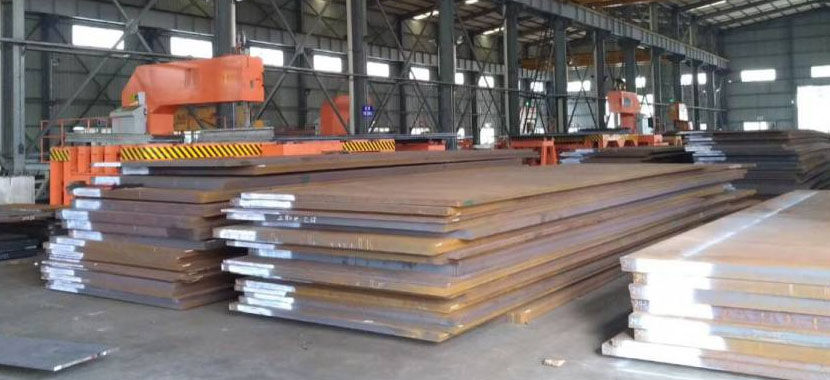
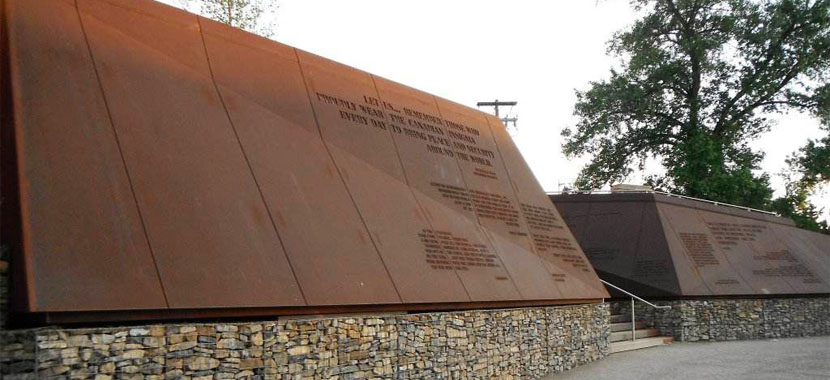
S355J2WP rusts protectively. The alloying elements create a dense, fine-grained patina that seals the surface. After 1–3 years of wet-dry cycling, the rust stabilizes and corrosion almost stops.
Maintenance requirements.
Mild carbon steel used outdoors needs paint or a protective coating. Without it, it loses thickness every year. With paint, you're repainting every 8–15 years—sandblasting, containment, and downtime each cycle.
S355J2WP needs no paint. No recoating. No sandblasting. Just periodic inspections and drainage checks. The surface changes color over time but the structure stays sound.
Strength and toughness.
Mechanically, they're closer than you might think. S355J2WP offers 355 MPa yield—same as S355JR. But the J2 impact rating at -20°C gives S355J2WP a cold-weather advantage that standard S355JR doesn't guarantee.
Cost picture.
Mild carbon steel costs less upfront. S355J2WP costs more per tonne. But over 30 years, S355J2WP saves money through avoided painting cycles. The break-even typically falls at year 8–12.
The one warning. S355J2WP only works its magic in the right environment. Constant dampness, salt spray, or burial in soil stops the patina from forming. In those conditions, ordinary painted steel can be a better choice.