Classic Applications of S355J2WP Weathering Steel Plates in Bridge Engineering
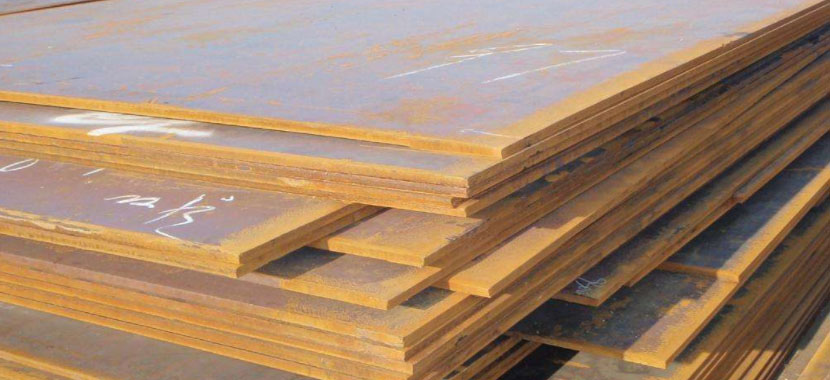
S355J2WP has earned its place on bridge sites across Europe and beyond. It's not the flashiest weathering grade. But it shows up on more project specs than most—because it does the job reliably and costs less than over-specifying.
Road bridges: Medium-span workhorses.
Across Germany, France, and the UK, S355J2WP appears in bridge girders, cross-bracing, and parapet railings for spans in the 20–50 meter range. The 355 MPa yield strength matches standard structural steel requirements, while the -20°C impact toughness handles European winters without over-specifying to K2. Several A7 motorway corridor bridges in Germany use S355J2WP for approach spans and underslung maintenance walkways—sections exposed to moderate pollution and de-icing salts from traffic below.
Pedestrian and cycle bridges.
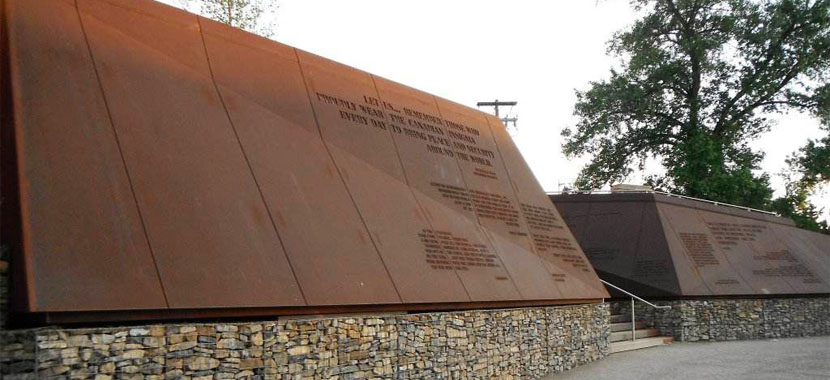
This is where S355J2WP shines. Architects and municipal authorities love its warm, natural appearance. The patina starts orange-brown, darkens to chocolate over 2–3 years, and blends with parkland and urban settings. One notable example: a footbridge over the River Thames in Oxfordshire. The structure carries foot and cycle traffic, exposed to wet conditions year-round. S355J2WP was specified for the main arch and deck plates. Eight years later, inspections show stable patina and no section loss.
Railway overbridges.
Network Rail in the UK has used S355J2WP for footbridge structures over active freight lines where maintenance access is difficult. The steel withstands the constant vibration, mild exhaust fumes, and dampness without needing painting—eliminating disruptive line closures for maintenance.
Approach spans and transition sections.
The Millau Viaduct access structures in southern France include sections of weathering steel, with S355J2WP specified for elements with moderate exposure to vehicle exhaust and seasonal freeze-thaw. The material handles the environment while avoiding future repainting in hard-to-reach areas.
Why engineers choose S355J2WP for bridges.
Reliable strength. 355 MPa yield—matches standard bridge design assumptions.
Cold toughness. 27J at -20°C—sufficient for most European climates.
No painting. The patina develops naturally with time and weather.
Lower lifetime cost. Higher initial cost offset by eliminating repainting cycles.
Esthetics. The evolving surface blends with natural and urban landscapes.
Critical design details for bridge applications.
Engineers who succeed with S355J2WP pay attention to:
Drainage. All surfaces slope 1–2%. No water pooling.
Ventilation. Open sections allow wet-dry cycling. Avoid fully enclosed box girders without drainage.
Debris clearance. Regular inspections keep leaves and soil off ledges.
Connection detailing. Use weathering steel bolts and fasteners. Isolate dissimilar metals.
One limitation. S355J2WP is not for coastal bridges. Persistent salt spray overwhelms the patina. Within 2–3 km of a coastline, you'll need either a higher-grade weathering steel, a painted system, or additional protection.
Real-world outcome. A Dutch bridge using S355J2WP for railings and facade panels reported: "After five years, no coating work. The patina is stable. Maintenance is just clearing debris. We'd use it again."