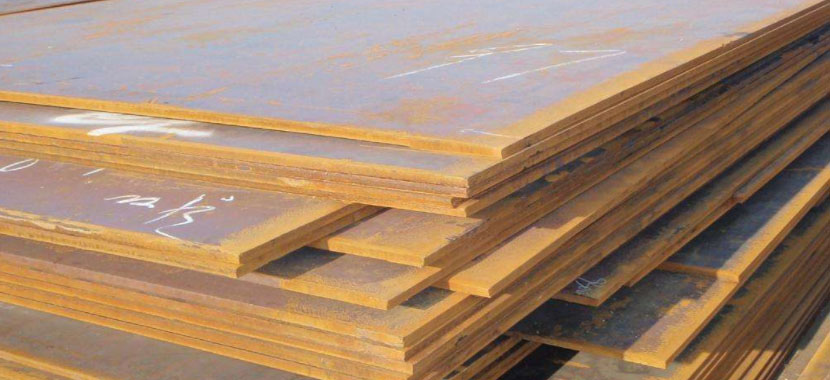
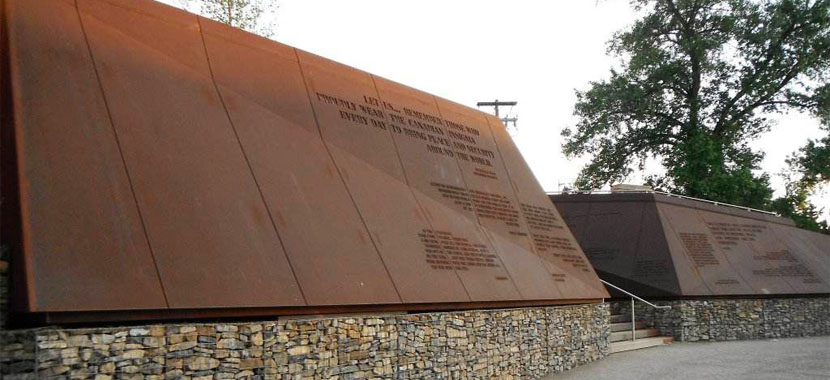
S355J2WP Weathering Steel Plate Welding Key Process Points
S355J2WP welds like its weathering cousins—straightforward, but with a few rules you shouldn't ignore. Treat it like ordinary structural steel, and you might get cracking, low-impact toughness, or a heat-affected zone that corrodes faster than the base metal. Here's what actually works.
Choose the right filler metal.
Match the consumable to the weathering chemistry. For most applications:
SMAW: AWS E7018-1 (low-hydrogen, basic-coated)
GMAW: AWS ER70S-6 or ER70S-3 with shielding gas (C25 or Ar/CO₂ mix)
FCAW: E71T-1 (gas-shielded) or E71T-8 (self-shielded, low-hydrogen)
Avoid high-hydrogen electrodes at all costs. They invite cold cracking. For critical corrosion performance, consider fillers with similar copper-chromium-nickel content to match the patina behavior.
Preheat: when and how much.
For plates up to 15mm at room temperature, preheat isn't mandatory. But when thickness exceeds 15mm, shop temperatures drop below 5°C, or moisture is present, preheat to 100–150°C. This drives off hydrogen and slows cooling. Heat evenly across the joint area—not just the edge.
Control interpass temperature.
Keep interpass temperature below 250°C, ideally 150–200°C. Too much heat coarsens the grain structure in the heat-affected zone and can drop impact toughness. Use multiple small passes rather than one large, hot pass. Let the joint cool between passes if needed.
Heat input limits.
For S355J2WP, keep heat input below 1.8–2.0 kJ/mm for most thicknesses. This balances penetration with grain control. Measure it: Heat input (kJ/mm) = (Volts × Amps × 60) / (Travel speed in mm/min × 1000).
Edge preparation matters.
Remove mill scale, oil, and loose rust from the weld zone. But don't over-grind the surrounding base metal—the patina chemistry needs to stay intact just outside the joint. For plates over 20mm, bevel the edges to achieve full penetration.
Post-weld treatment.
Let the joint cool in still air. No quench. No accelerated cooling. After welding, you can leave the weld reinforcement as-is—the slightly rough surface helps the patina form. If you must grind for clearance, do it lightly. Never apply paint or sealant over fresh welds unless the design specifically requires it.
Impact toughness considerations.
The J2 rating at -20°C applies to the base metal. Welded joints may have lower toughness in the heat-affected zone. For critical cold-service structures, qualify your weld procedure with impact testing on welded samples. Adjust heat input and preheat if needed.
Common welding mistakes to avoid.
Using high-hydrogen rods (EXX10 or EXX13 series)
Skipping preheat on thick plates in cold shops
Excessive heat input from single-pass large fillet welds
Not cleaning the weld area before starting
One practical tip. Run a test weld on scrap of the same thickness before starting production. Check for fusion, porosity, and any signs of cracking. Adjust parameters on the test piece, not the actual structure.