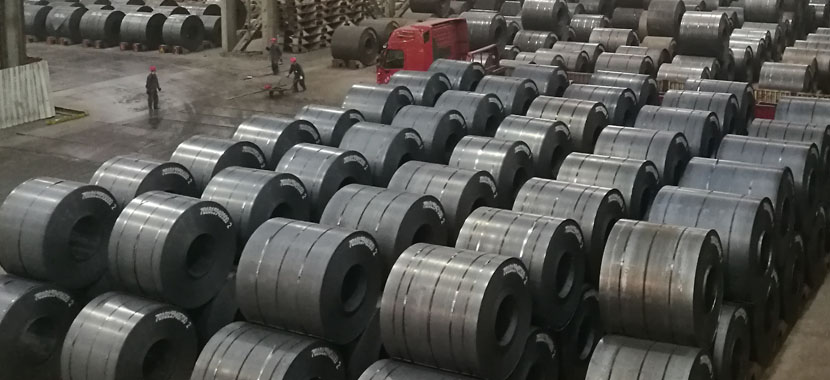
S355J2WP Weathering Steel Complete Size Dimension Guide
Ordering S355J2WP plates means picking the right dimensions for your project. Get it wrong and you're cutting waste, paying for extra material, or waiting weeks for a reroll. Here's what you need to know about standard sizes and how to specify them.
Thickness ranges.
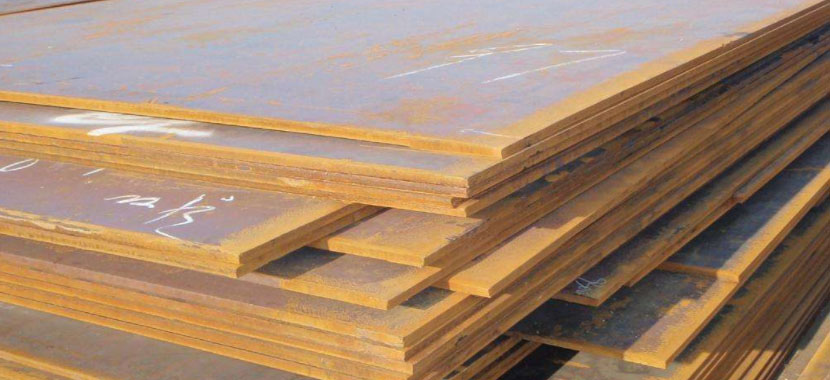
S355J2WP plates are typically available from 3mm to 150mm. Common stock sizes:
Thin plates: 3mm, 4mm, 5mm, 6mm, 8mm, 10mm
Medium plates: 12mm, 15mm, 16mm, 20mm, 25mm
Heavy plates: 30mm, 35mm, 40mm, 50mm, 60mm, 80mm, 100mm, 120mm, 150mm
Thickness tolerances follow EN 10029. For plates under 10mm, expect ±0.3–0.5mm. For heavy plates (over 80mm), tolerances widen to ±1.0–1.5mm. Always check the tolerance class on your order.
Width and length ranges.
Standard widths run from 1000mm to 3500mm. Common stock widths: 1500mm, 2000mm, 2500mm, 3000mm.
Standard lengths run from 2000mm to 12000mm. Common stock lengths: 6000mm, 8000mm, 10000mm, 12000mm.
Standard plate formats (most common).
Format Width × Length Typical use
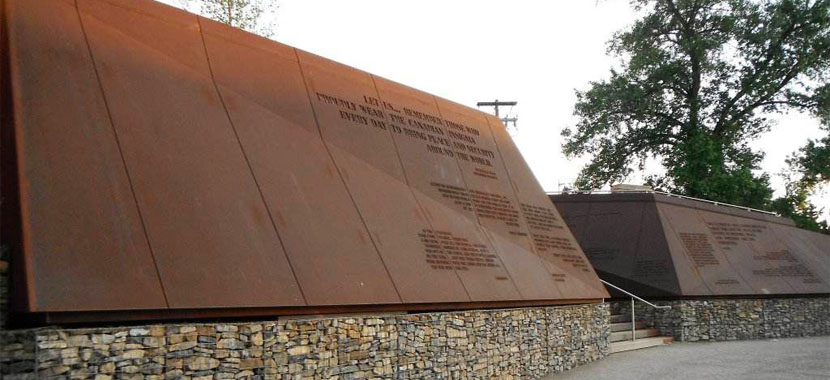
Small 1500 × 3000mm Architectural panels, small fabrications
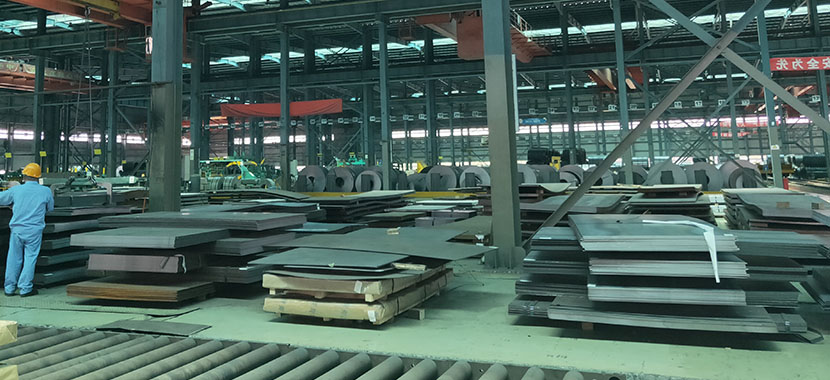
Medium 2000 × 6000mm General structural, bridge components
Large 2500 × 10000mm Heavy girders, shipbuilding (rare)
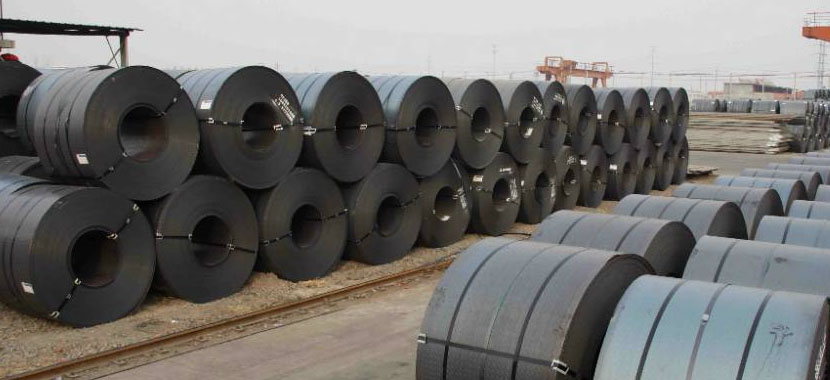
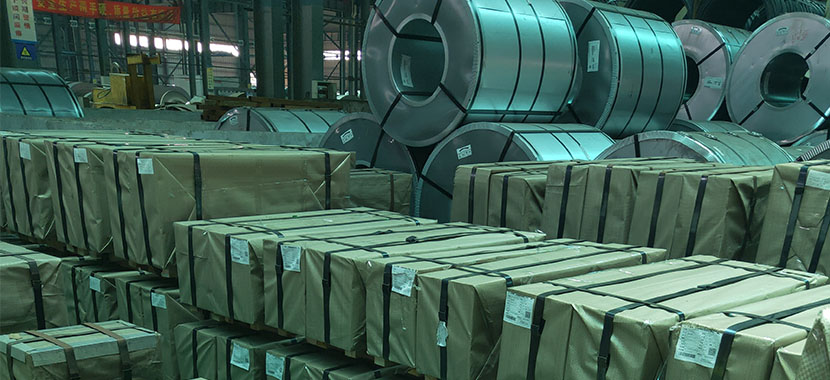
Coil Slit to width Continuous forming, long runs
Weight calculations.
Steel density: 7850 kg/m³. For quick estimation:
Weight per square meter (kg/m²): thickness (mm) × 7.85
Example: 10mm plate = 78.5 kg/m²
For a full plate: weight = length (m) × width (m) × thickness (mm) × 7.85
Custom sizes.
Mills can roll custom dimensions, but with restrictions:
Minimum order quantity (often 10–25 tonnes for custom width/length)
Extra lead time (4–8 weeks vs. 2–3 weeks for stock sizes)
Higher cost per tonne (rolling setup charges apply)
If you need non-standard dimensions, order early and confirm the mill's rolling capabilities.
Tolerances to EN 10029.
Thickness: Class A, B, or C (Class A is tightest; specify if required)
Width: Usually ±5mm for plates under 2000mm width
Length: Usually ±5mm for plates under 6000mm length
Flatness: Max deviation based on thickness and length
Standard vs. custom: a cost comparison.
Option Lead time Cost per tonne
Stock size (1500×3000mm) 1–2 weeks Base
Standard mill size (2000×6000mm) 3–4 weeks +5–10%
Custom width/length 6–8 weeks +15–25%
What to specify on your purchase order.
Plate thickness (nominal and tolerance class)
Plate width and length (or coil dimensions)
Edge condition (sheared, flame-cut, or mill edge)
Flatness requirement (if stricter than EN 10029 standard)
Common ordering mistakes.
Forgetting to specify tolerance class—you get standard tolerances, which may be too loose for precision parts
Not confirming maximum plate length for transport (truck length limits typically 12–13m)
Assuming all thicknesses are available from stock (heavy plates 80mm+ are often mill-order only)
Overlooking coil availability for thin plates (under 6mm often sold as coil, not cut plates)
One practical tip. When ordering for a project, ask your supplier for a stocklist before specifying dimensions. Often, slightly adjusting your design to fit a common stock size saves weeks of lead time and significant cost.