Differences Between S355K2G2W and S355J2W Weathering Steels
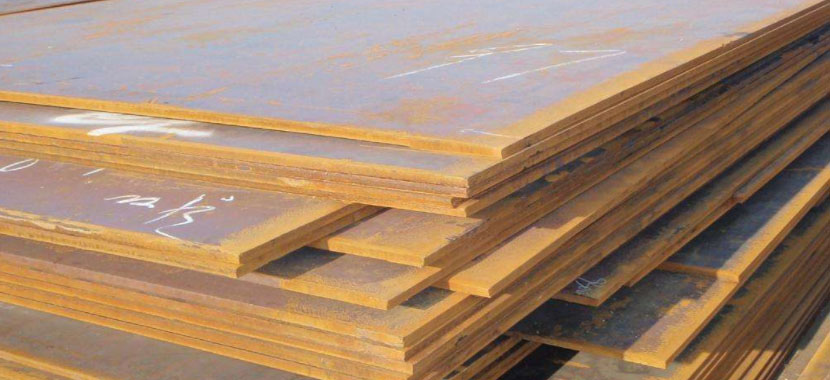
When specifying weathering steel under EN 10025-5, the difference between S355K2G2W and S355J2W often comes down to one critical factor: impact toughness. Both grades offer excellent atmospheric corrosion resistance, but they serve different performance requirements.
S355J2W and S355K2G2W share identical mechanical foundations—both deliver minimum yield strength of 355 MPa for thicknesses up to 16mm, with tensile strength ranging from 470 to 630 MPa . Their chemical compositions also align closely, incorporating copper, chromium, and nickel to form the protective patina that gives weathering steel its self-protecting .
The distinction lies in impact energy. S355J2W guarantees minimum 27 Joules at -20°C, making it suitable for standard applications. S355K2G2W steps up performance with 40 Joules at the same temperature . This higher toughness makes K2 grades the preferred choice for structures exposed to dynamic loading or more severe service conditions.
The "G2W" designation in S355K2G2W reflects an older naming convention under EN 10155, where "G2" indicates specific deoxidation practices and "W" denotes improved weathering properties . Modern standards often list it simply as S355K2W, with S355K2G2W appearing as the legacy equivalent .
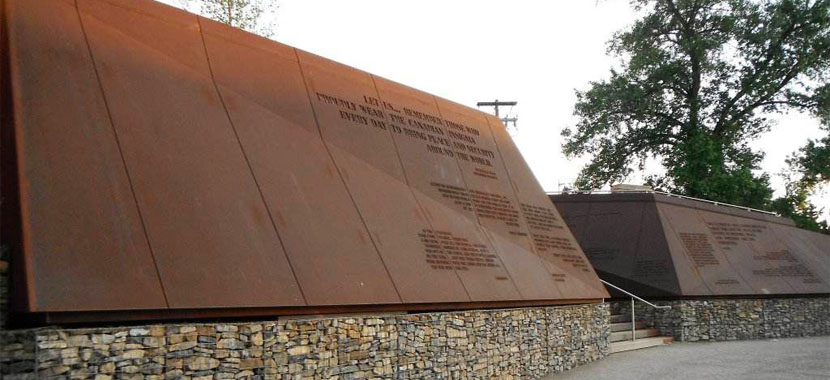
For bridges, railcars, and architectural structures in moderate climates, S355J2W delivers reliable performance at a competitive cost. When projects demand extra toughness—particularly in welded connections subject to冲击 loads or regions with severe winters—S355K2G2W provides the added margin of safety .
Choosing between these grades isn't about which is "better," but which matches the specific demands of your application. Both deliver the corrosion resistance weathering steel is known for; the choice hinges on whether your project needs standard or enhanced impact performance.