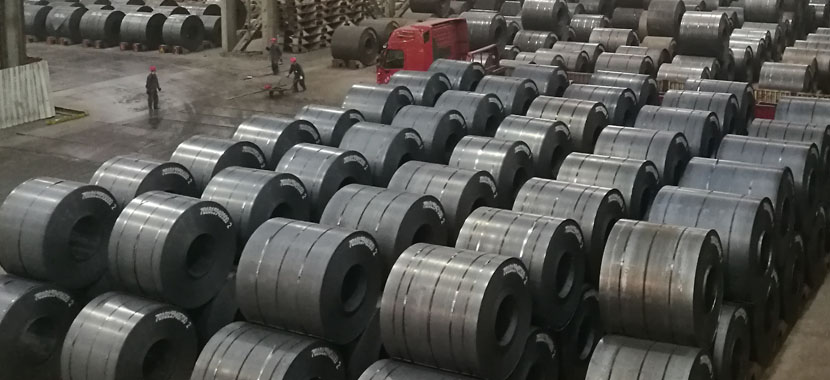
Detailed Analysis of Welding Performance and Process Essentials for S355K2G2W Weathering Steel
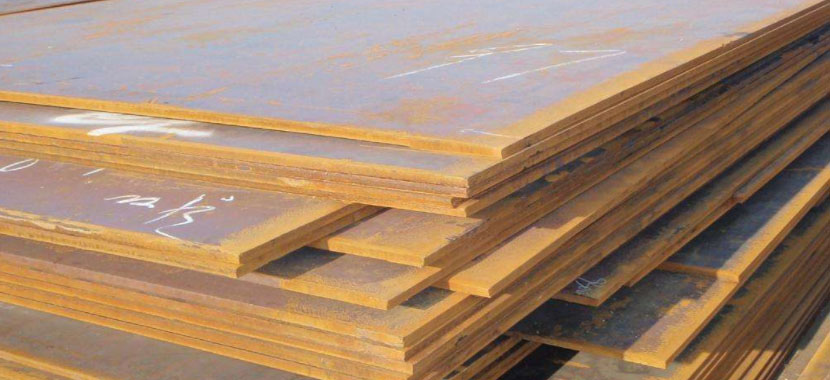
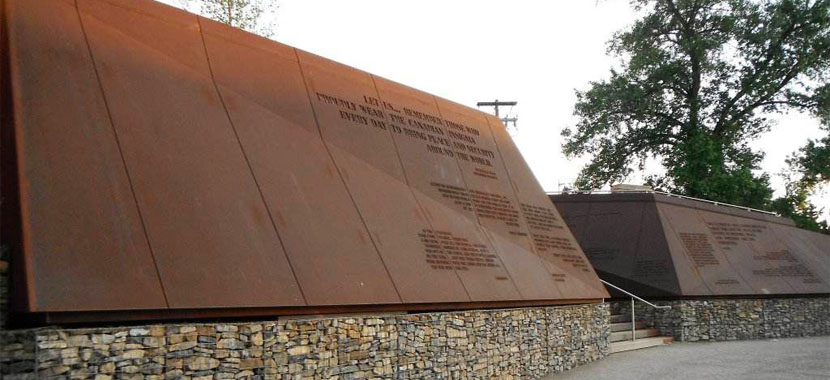
When working with S355K2G2W, a high-strength weathering steel known for its protective patina, welding isn’t just about joining two pieces—it’s about maintaining the material’s long-term durability. Unlike standard structural steels, this grade relies on its chemical composition to form a stable rust layer that halts further corrosion. However, improper welding can disrupt this balance.
The key lies in controlling heat input. Too much heat accelerates cooling rates, risking hydrogen-induced cracking in the heat-affected zone. For most applications, low-hydrogen consumables like basic-coated electrodes or solid wires (matching the steel’s yield strength) are the go-to choice. Preheating isn’t always mandatory for thinner sections, but when the material thickness exceeds 15mm or ambient temperatures drop, a gentle preheat of 100–150°C helps diffuse hydrogen effectively.
Another critical point: avoid grinding away the surface layer of the base metal excessively before welding. The patina-forming elements are part of the steel’s design, but cleaning off mill scale and contaminants in the weld zone ensures sound fusion. Post-weld, allowing the joint to cool gradually in still air supports the formation of a uniform protective layer over time.