Corrosion Resistance Mechanism of S355J2WP Weathering Steel
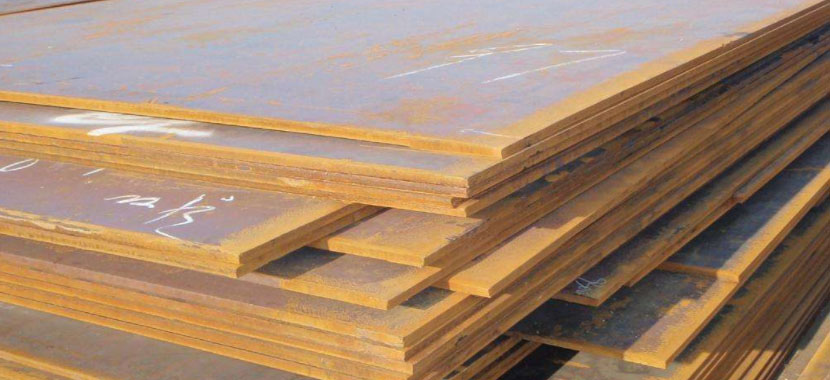
Most steels rust until they fall apart. S355J2WP rusts, stops, and stays. Understanding why helps you specify it correctly and avoid the mistakes that turn a self-protecting material into a rusting mess.
Step 1: The steel meets the atmosphere.
Copper, chromium, nickel, and controlled phosphorus. These four alloying elements are the reason S355J2WP acts differently than ordinary carbon steel. They change the chemistry of the rust layer as it forms.
Step 2: The first rust forms—but it's different.
On ordinary steel, rust forms as a loose, porous layer of iron oxides. Moisture and oxygen keep moving through the pores, attacking fresh metal underneath. That's why plain steel keeps corroding until nothing's left.
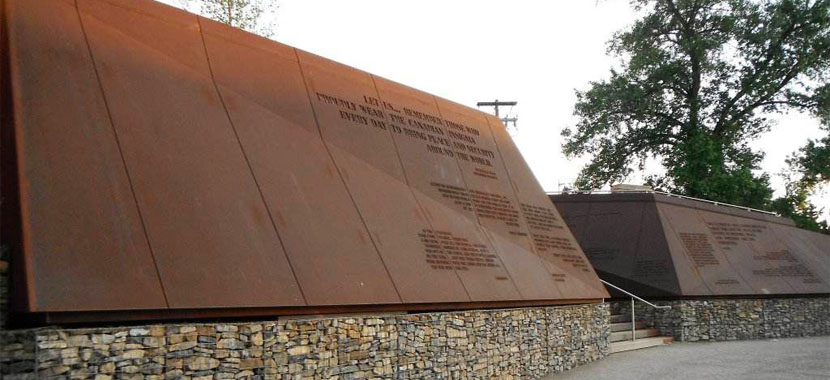
On S355J2WP, the alloying elements—especially copper—alter the rust's structure. Instead of forming a loose, flaky oxide, the rust develops into a dense, fine-grained, and adherent layer. The particles pack tightly together. Pores shrink. Oxygen and moisture have a much harder time reaching the metal surface.
Step 3: Wet-dry cycling does the real work.
The patina doesn't form in a single exposure. It requires cycles of wet and dry—rain or condensation, followed by sun or wind. During wet periods, ions move through the rust layer. Copper and chromium help refine the oxide particles. During dry periods, the layer compacts and densifies. Each cycle improves the barrier.
This is why S355J2WP fails in constant dampness. No drying means no compaction. The rust stays loose. The patina never seals.
Step 4: The stable patina reaches equilibrium.
After 1 to 3 years, the patina reaches a steady state. The inner layer—thick and dense—sits tight against the steel. The outer layer may remain slightly porous, but it washes away harmlessly. Corrosion rates drop from 0.1mm per year (unprotected carbon steel) to under 0.01mm per year. That's the difference between a bridge that lasts 15 years and one that lasts 60.
What S355J2WP's chemistry does specifically:
Copper (0.25–0.55%): The backbone. Refines rust grain, promotes density, slows ion transport.
Chromium (0.40–0.80%): Helps the patina adhere. Adds oxidation resistance at the metal-patina interface.
Nickel (≤0.65%): Improves inner layer density. Adds toughness in cold conditions.
Phosphorus (elevated in P variants): Aids patina formation speed. Works particularly well in industrial atmospheres.
The one thing that stops the mechanism.
The patina mechanism relies on exposure to the atmosphere. If you bury S355J2WP in soil, enclose it in a sealed cavity, or submerge it in water, the wet-dry cycle stops. The patina never stabilizes. The steel corrodes just like ordinary carbon steel. That's not the material's fault—that's a design mistake.