Acceptance Checklist for S355K2G2W Weathering Steel Material Certificates
You’ve ordered S355K2G2W weathering steel plates. The shipment arrives. So does the mill certificate—that dense, multi-line document that can make or break your project acceptance. Do you know exactly what to look for?
Let’s walk through it.
1. Grade designation – don't assume. The certificate must clearly state "S355K2G2W" according to EN 10025-5. Watch for look-alikes like S355J2W or S355K2G1W. The "K2" guarantees 27J at -20°C. The "G2W" specifies weathering steel with improved corrosion resistance. Missing either letter? You have the wrong material.
2. Impact test results. Look for Charpy V-notch values at -20°C. Minimum accepted: 27J average, with no single value below 20J (for plate thicknesses where testing applies). Some certificates show three individual readings. Check them.
3. Chemical composition – pay attention to weathering elements. Key players: Copper (Cu) typically 0.25–0.55%, Chromium (Cr) 0.40–0.80%, Nickel (Ni) up to 0.65%, Phosphorus (P) elevated compared to standard structural steel. These elements enable the protective patina. If they're missing or too low, you've got plain carbon steel in disguise.
4. Mechanical properties. Verify yield strength (minimum 355 MPa for thickness ≤16mm), tensile strength (470–630 MPa typical), and elongation.
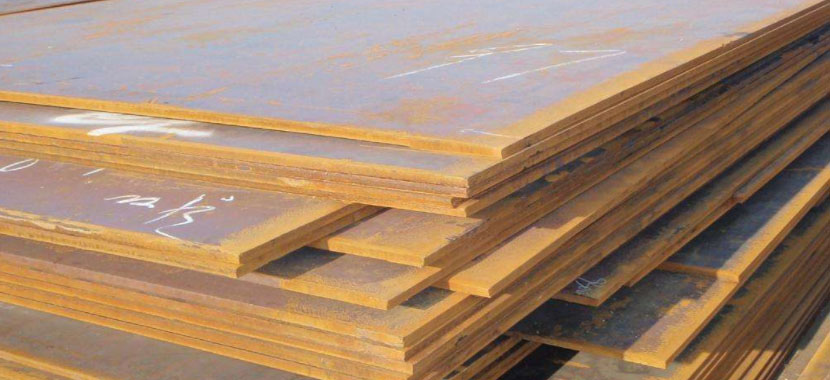
5. Traceability. The certificate should include heat number, plate dimensions, and quantity. Every plate should be marked with that same heat number. Mismatch means rejected material.
Pro tip: Keep a digital copy of the certificate alongside your order records. When a third-party inspector asks for documentation months later, you'll thank yourself.