How Long Does Corten Steel Take to Form Its Protective Patina?
Clients often expect weathering steel to look finished the day it is erected. It does not. The protective patina is grown, not applied, and it follows a timetable set by the weather.
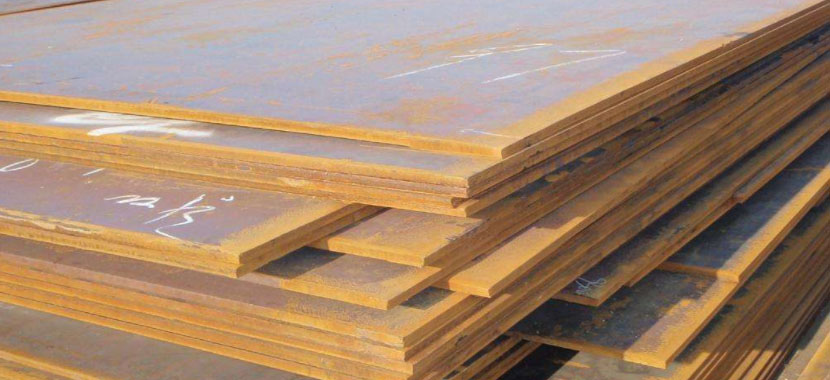
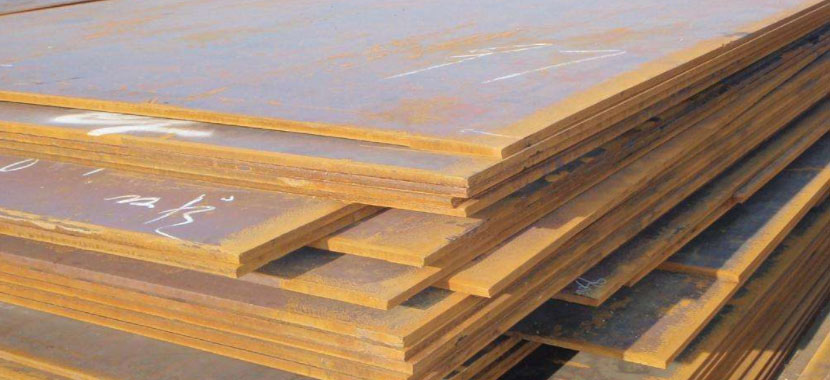
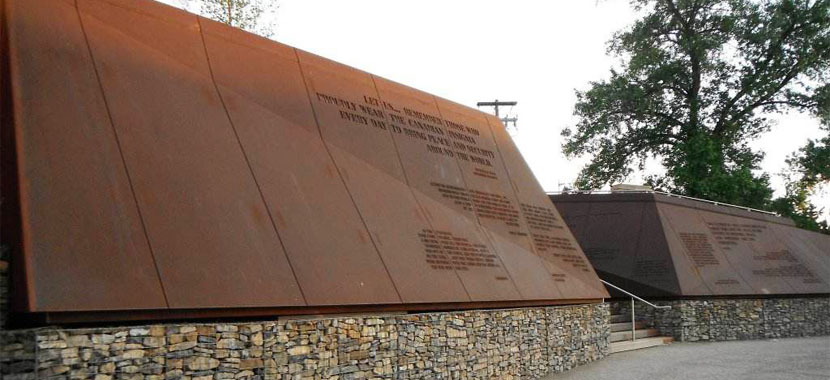
In the first weeks, freshly blasted or rolled corten steel turns orange as loose rust forms. This layer is rough and stains anything it touches. Within a few months of wet-dry cycling the colour deepens to a reddish brown and the surface tightens. A stable, dark chocolate-brown patina with a fine texture typically takes two to three years of ordinary outdoor exposure in a temperate, inland climate.
The pace depends on the environment. Alternating wet and dry periods build the patina fastest; a constantly damp or shaded face stays loose and dark, while a dry inland face develops slowly and stays lighter. Industrial air with sulphur dioxide accelerates the process, and chloride in the air works against it. Orientation matters too: rain-washed vertical panels weather evenly, while horizontal surfaces and sheltered corners lag behind.
Two practical consequences. First, colour variation between panels in the first year is normal, not a defect; welded and ground patches will stand out for a season or two until they catch up. Second, accelerated pre-weathering treatments can bring steel to site looking brown instead of orange, but the real protective layer still needs natural wet-dry cycles to mature.
Do not judge the material in month one. Judge it after the second summer, when the texture tightens and the colour stops shifting.
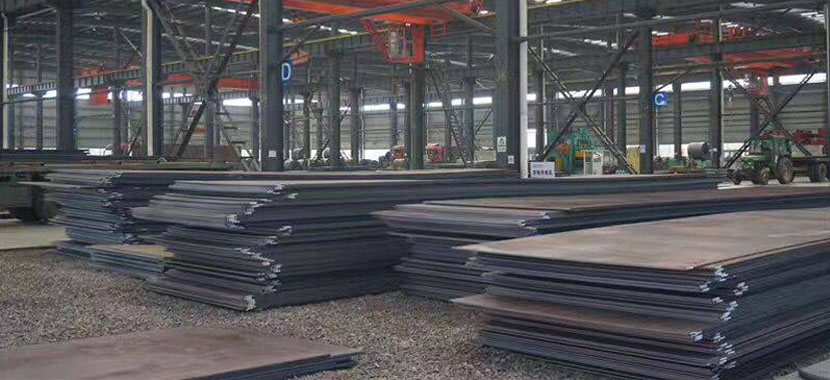
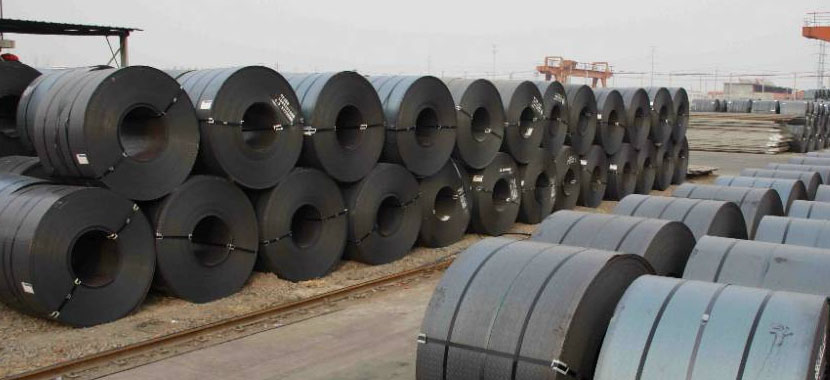
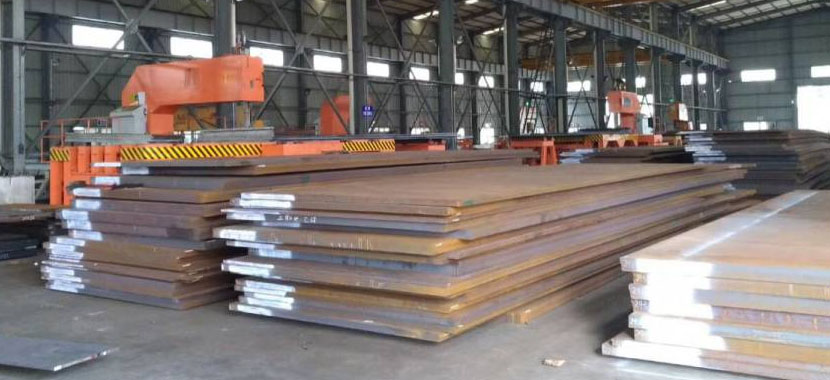
We supply corten A, corten B and EN 10025-5 weathering steel plates and coils for facades, planters, sculptures and bridges, with advice on patina development for your location.