+86-371-86151827
[email protected]

- +86-371-86151827
- High-tech Development Zone, Zhengzhou, China
- 08:30 am – 06:00 pm
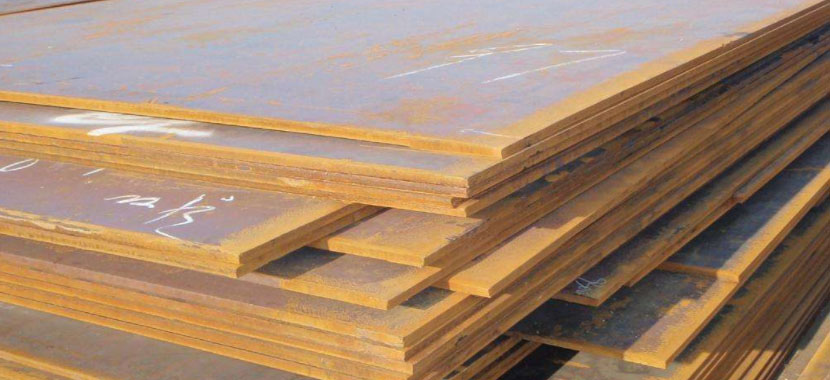
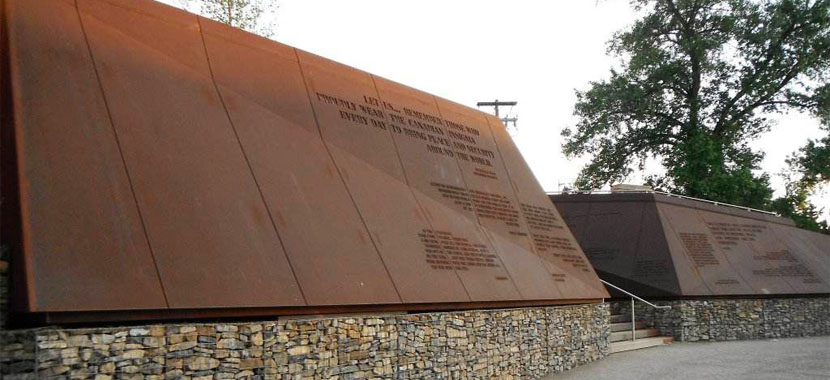
Walk along any rural rail bridge in northern France or a highway overpass in the German countryside, and you might spot a familiar brownish-orange surface. That's not rust in the destructive sense—it's S355K2G2W doing its job.
Take the Millau Viaduct's access ramps in southern France. Engineers chose S355K2G2W for specific sections exposed to both vehicle exhaust and seasonal freeze-thaw cycles. Why? Because painting a bridge that tall every few years is nearly impossible. The steel forms its own protective patina, stopping further corrosion naturally.
Another example: several Network Rail footbridges in the UK. The spec called for a material that could handle wet winters, de-icing salts, and limited maintenance access. S355K2K2W (slight variation with same weathering properties) provided both the -20°C impact toughness and the atmospheric corrosion resistance. After eight years in service, inspections showed negligible thickness loss.
What makes these applications work? Designers pay attention to details: avoiding crevices that trap moisture, ensuring proper drainage, and using compatible weathering steel bolts and fasteners. They also avoid enclosing the steel in tight spaces where the patina can't cycle through wet-dry periods.
For bridge owners, the payoff is real. Higher upfront cost compared to plain carbon steel, but lower lifetime cost. No repainting every 10–15 years. No sandblasting over traffic. Just a stable, self-protecting structure that ages gracefully.
Hot ProductsMore+
If you have any need about our steel products, Please send email to [email protected] or leave a message to use this function. we will reply you ASAP!