S355K2G1W Rust Layer Stabilization Process
Rust stabilization isn't magic. It's a predictable, chemistry-driven process that takes time, weather cycles, and proper design. Here's what happens—and how long it takes.
Phase 1: Initial oxidation (first 1–3 months)
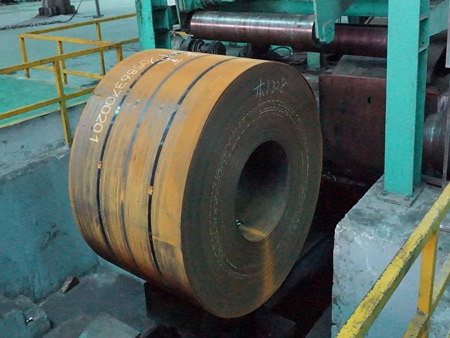
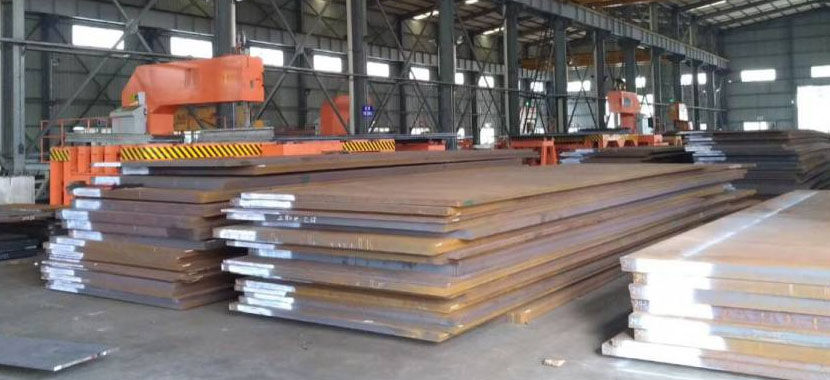
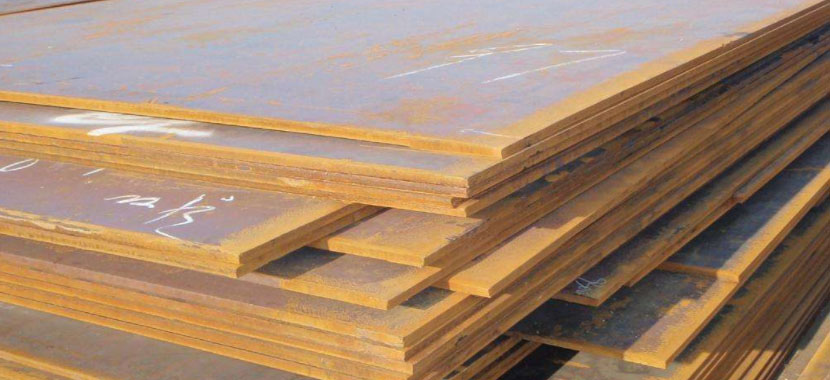
Fresh steel meets air and moisture. A thin, uniform layer of orange-brown rust develops quickly. This layer is porous and loose. You can wipe off reddish powder with your hand. This is normal. Don't panic. Don't paint. Don't apply oil.
Phase 2: Active transition (3–12 months)
The outer loose rust continues forming. But underneath, closer to the steel surface, a denser inner layer begins to appear. The color shifts from bright orange toward a darker brown. Rain washes away some loose surface particles. Dry periods allow the inner layer to compact. This wet-dry cycling is essential—without it, the patina won't stabilize.
Phase 3: Stabilization (1–3 years)
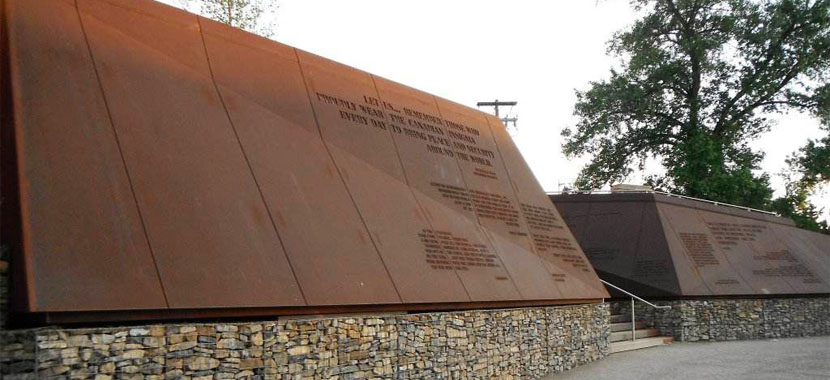
The inner layer reaches its full density. The outer surface becomes a uniform, dark chocolate-brown or purple-brown. The rust feels smooth to the touch. Reddish powder no longer transfers readily to your hand. At this point, the patina is stable. Corrosion rates drop dramatically—typically to less than 0.01mm per year.
What helps stabilization happen faster:
Regular wet-dry cycles (rain followed by sun or wind)
Open, ventilated design with no moisture traps
Mildly polluted industrial or urban atmospheres (small amounts of SO₂ actually aid patina formation)
Periodic gentle misting in dry climates (not pressure washing)
What slows or prevents stabilization:
Constant immersion or persistent dampness
Shaded, north-facing surfaces that never fully dry
Contact with concrete, soil, or standing water
Salt spray without rain washing (coastal zones)
Any coating, sealant, or oily film
What about accelerated stabilization? Some fabricators use chemical treatments (phosphoric acid-based solutions) to speed the process to a few weeks. These work for architectural applications but aren't typical for structural steel. If you choose this route, follow the chemical supplier's procedure exactly.
One practical note: Don't judge the final color at six months. Give it at least two full summers and winters. The patina deepens with time. Patience is part of the process.