+86-371-86151827
[email protected]

- +86-371-86151827
- High-tech Development Zone, Zhengzhou, China
- 08:30 am – 06:00 pm
S355J2WP impact testing at -20°C, the 27J minimum, specimen size rules, and what to check on your certificate.
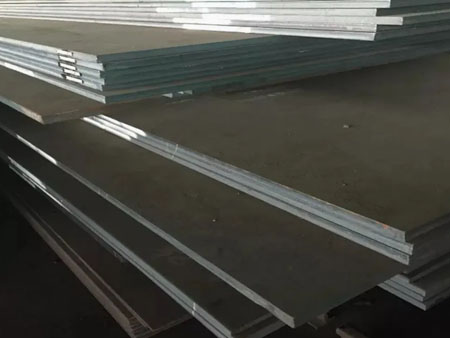
Controlled rolling isn't always necessary. But here are the situations where it's worth specifying:
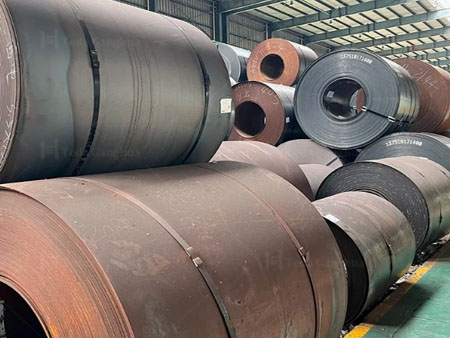
Controlled rolling (TMCP) for S355J2WP—how it works, why it matters, and when to specify it over standard rolling.
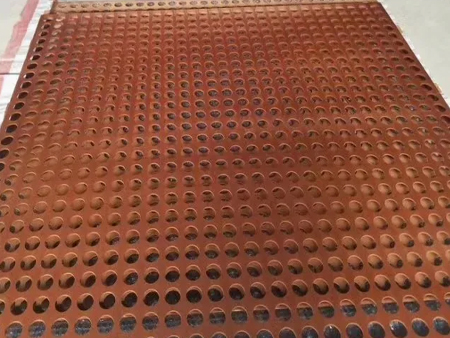
When S355J2WP needs normalizing, how the process works, and why it matters for thicker plates and critical applications.
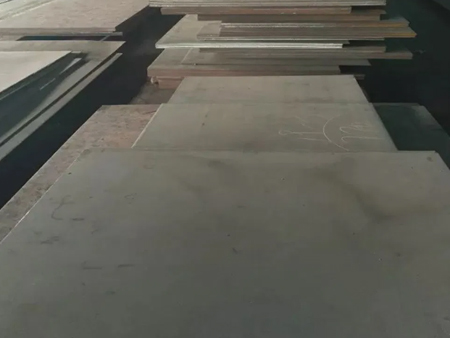
Standard thickness, width, and length ranges for S355J2WP plates—what's available, what's custom, and how to specify correctly.
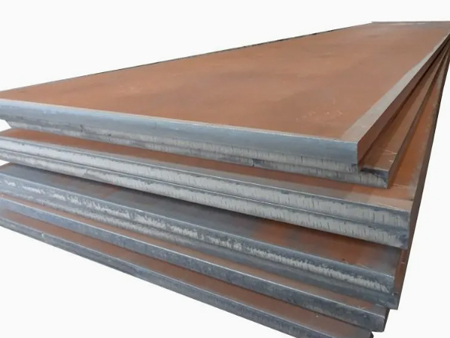
The essential tests for S355J2WP—chemical, tensile, impact, and dimensional—and how to verify compliance for your project.
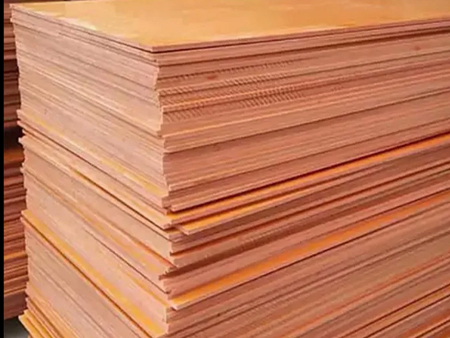
What CE marking means for S355J2WP—standards compliance, performance declaration, and why it matters for structural projects.
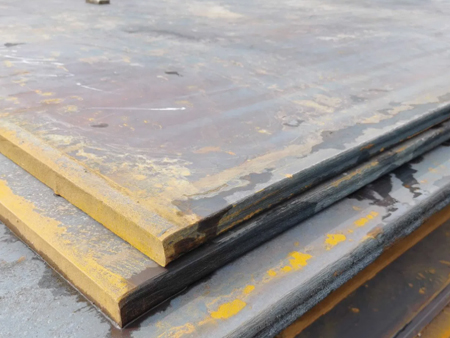
What tests S355J2WP must pass—chemical, tensile, impact, and dimensional checks—and how to verify compliance.
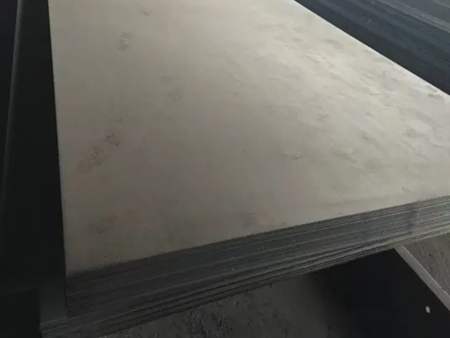
How to form S355J2WP plates successfully—bend radii, springback, temperature control, and practical shop-floor advice.
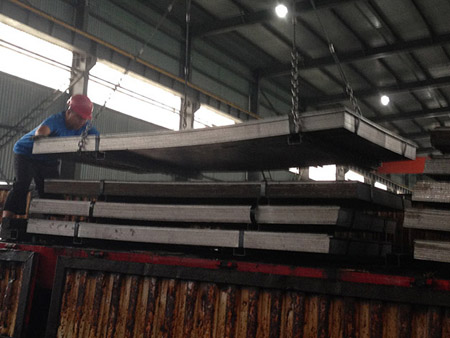
How to cut S355J2WP plates correctly—plasma, oxy-fuel, laser, and shearing methods with practical parameter guidance.